
Attic Fan Installation & Repair in Toms River, NJ
A cooler attic means cooler upstairs rooms and less strain on your air conditioner. HCS installs and services attic fans throughout New Jersey from our base in Toms River, as we have since 1998.
Serving New Jersey
Since 1998
State-Licensed
HVAC Contractor
Dependable Service
Customer Approved
Toms River
Ocean County, NJ
On a summer afternoon, your attic can get well over 130°F. That heat soaks down through the ceiling, makes upstairs bedrooms hard to cool and forces your A/C to run longer. Trapped attic moisture in winter can also lead to mold and damaged roof sheathing. An attic fan pushes hot, humid air out and pulls in fresh outside air through your vents. Your attic stays closer to the outdoor temperature, and your home is easier to keep comfortable.
How It Works
An attic fan mounts on the roof or in a gable wall. When a built-in thermostat senses high attic temperatures, or a humidistat senses excess moisture, the fan turns on and exhausts air outside. Fresh air flows in through soffit or gable vents to replace it. When the attic cools down, the fan shuts off automatically.
Types of Attic Fans

Why Install an Attic Fan?
Cooler upstairs rooms
Less attic heat soaking through the ceiling into bedrooms and bonus rooms.
AC Relief
Less strain on your A/C
Moisture control
Exhausts humid attic air that can lead to mold, rot and frost on roof sheathing.
Protects your roof
Lower attic temperatures help reduce heat stress on shingles and roof decking.
Automatic operation
A thermostat and humidistat run the fan only when it's needed.
| Comparison | Roof-Mounted Attic Fan | Gable-Mounted Attic Fan | Solar Attic Fan |
|---|---|---|---|
| Where it goes | Through the roof, near the peak | Behind an existing gable vent | On the roof, with a built-in solar panel |
| Power | Electric | Electric | Sun-powered, no wiring needed |
| Controls | Thermostat and humidistat | Thermostat and humidistat | Runs when the sun is out; some add a thermostat |
| Best for | Attics without gable vents | Homes with gable vents, no new roof opening | Lower operating costs, no electrical run |
Is an Attic Fan Right for Your Home?
Upstairs rooms are much hotter than downstairs in summer
Your attic feels like an oven on hot days
Your A/C runs nonstop on hot afternoons
You see moisture, frost or mold on attic sheathing in winter
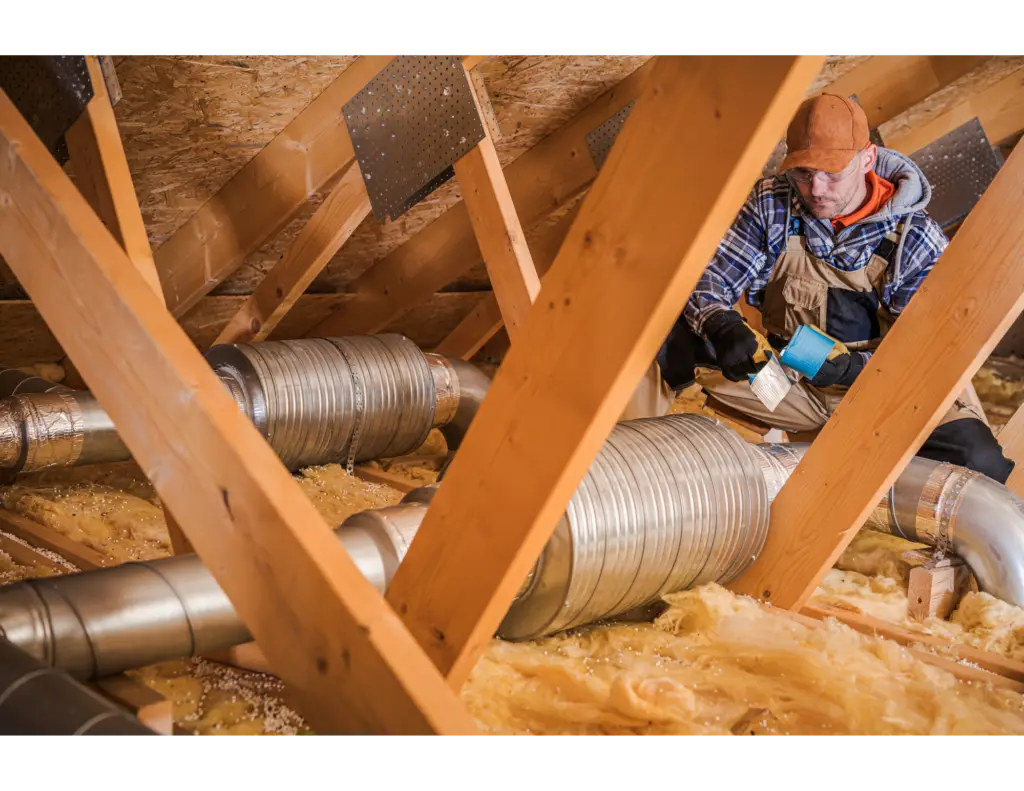
Your attic has ductwork or HVAC equipment that bakes in the summer heat
Complete Attic Fan Services
Attic Fan Installation
Attic Fan Replacement
Attic Fan Repair
Attic Fan Maintenance & Tune-Ups
Signs Your Attic Needs Better Ventilation
Ventilation Checklist
Upstairs rooms stay hot even with the A/C running
The attic is extremely hot on summer afternoons
Frost, moisture stains or mold on the underside of the roof
Ice dams forming along the roof edge in winter
Shingles curling or aging faster than expected
An existing attic fan that's noisy, stuck or not turning on
These can point to poor attic airflow. Call (732) 557-9220 to have the fan and vents checked.
BALANCE IS EVERYTHING
An attic fan needs enough intake vents, such as soffit vents, to pull fresh air in. Without them, the fan can pull cooled air out of your living space through gaps in the ceiling. We check your intake venting and air sealing before every install, so your fan cools the attic, not your A/C.
Why New Jersey Trusts HCS With Attic Ventilation
Serving NJ Since 1998
More than 25 years keeping New Jersey homes comfortable through hot, humid summers.
Fan and AC Together
We look at the attic fan and your AC together, since each one affects the other.
Balanced Ventilation
We size the fan to your attic and check intake venting before we install.
Honest Pricing
Clear options and an upfront price. We'll tell you if an attic fan isn't the right fix.
Attic Fan FAQs
Here are answers to the questions New Jersey homeowners ask us most. Need something else? Just give us a call — we’re happy to help.
Does an attic fan really lower cooling costs?
- It can help by reducing the heat that soaks into upstairs rooms, especially in homes with hot attics and ductwork in the attic.
- Results depend on your insulation, air sealing and existing ventilation. We’ll give you an honest assessment.
What's the difference between an attic fan and a whole-house fan?
- An attic fan exhausts hot air from the attic only.
- A whole-house fan pulls cool evening air through open windows and pushes warm indoor air out through the attic, cooling your living space directly.
Are solar attic fans worth it?
- Solar fans cost nothing to run and need no wiring, which makes them a good option for many homes.
- They run only when the sun is out, so they may move less air than electric models on cloudy days.
Do attic fans help in winter?
Yes.
A humidistat-controlled fan can help remove moisture that builds up in the attic, reducing the risk of frost, mold and wood damage.
Ready to Get Comfortable?
Call us for repairs, tune-ups, or a quote on a new system.
Call Us
(732) 557-9220